Showing posts with label CES 2013. Show all posts

CES 2013 - The Best, The Worst, And Everything In-Between


reznaf | 9:27 PM | , , , , , , , , , ,

The Best

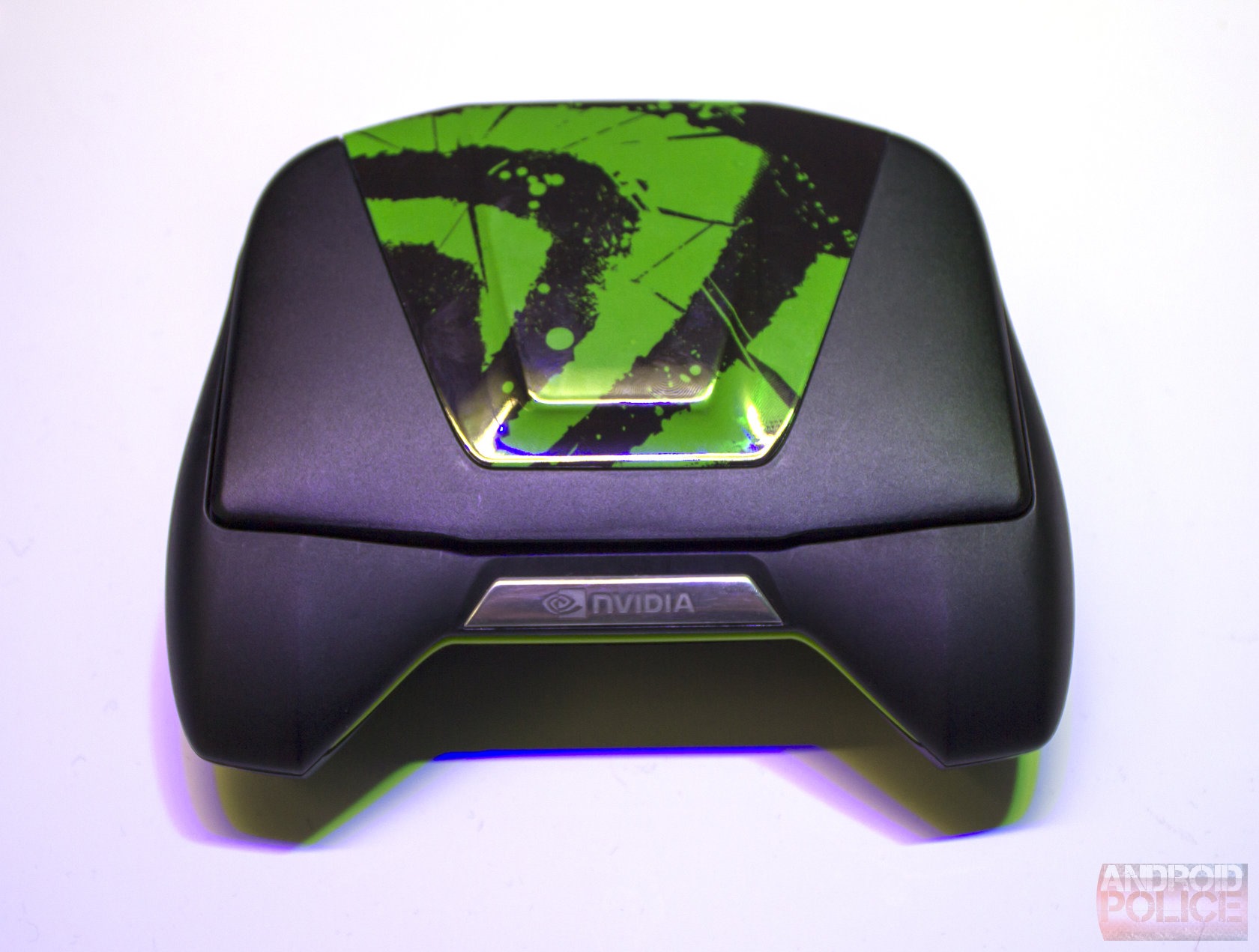
My Favorite: NVIDIA's Shield

Listen, you can say Shield's going to fail because it'll be too expensive. You can say people don't want a handheld  gaming console that doesn't fit in your pocket. And you can say NVIDIA arbitrarily makes games incompatible by using proprietary code for enhanced visuals, which fragments the Android platform. And maybe, on all three counts, you'd at least have a leg to stand on.
wm_IMG_1700

But that doesn't change for a moment the fact that Shield was the most important product at this year's CES, hands down. Sony could have unveiled an 84" OLED 4K TV that makes pizza and does your laundry, and Shield still would have been more important. In a show full of incremental improvements, single-spec hypebeasting (COUGH 4K COUGH), gimmicks, and downright lame press conferences (looking at you, Samsung and LG), Shield was a beacon of hope.
I'm not saying it's going to turn the world upside-down. I'm not saying it won't be overpriced. And I'm not saying that every little detail will be perfect by the time it ships. But Shield represents the first serious effort to make mobile gaming a serious industry. Nothing - and I mean nothing - has come into this space so boldly, and made the case so convincingly that a premium mobile gaming experience should exist. Ouya, frankly, relies on a value proposition, and it's one that simply doesn't target the gamer demographic - it's far more casual. NVIDIA has put its chips down and said "we want to make a mobile gaming console for gamers."
It could be an unprecedented success. It could be a miserable failure. We don't know yet. But what we do know is that NVIDIA will try to make it work, and NVIDIA has the financial footing to lose money, making Shield visible in the marketplace before it turns the corner to profitability - something few Kickstarter projects can say.

Honorable Mention: YotaPhone

OK, I admit - the idea of an e-ink screen on the back of a phone sounds really, really gimmicky at first blush. But the possibilities something like this allows for are just way too easy to geek out on. I desperately want to see other manufacturers take something away from this idea, because the YotaPhone is an exceptional oddity in an increasingly bland hardware ecosystem. Check out our coverage of it for more on why I think this strange little Russian phone is important.

wm_IMG_1642

The Worst

My Favorite (... To Dislike): Polaroid iM1836 Android Camera

Oh god, Polaroid. Why? I mean, really, there is so much wrong with the iM836 that I honestly wonder what kind of la-la land Polaroid's management lives in to think this is a good idea. OK, let me clarify that a little - why this product in particular is a good idea. Because it's not - it's terrible. The concept, I guess, has at least some potential merit. But Polaroid saw fit to ruin it.

wm_IMG_1560

Let's start with the lesser of the horrible flaws. The UI is super slow. The build quality feels like some cheap point and shoot you'd get for a hundred bucks at Target (the iM1836 costs $400). When we tried it, we couldn't even get the camera app to work. All of these things add up to a ghastly user experience. But there's one flaw that outweighs all of these. A flaw so egregious that I can scarcely understand the backward-ass logic Polaroid tries to explain it with.
Look at the picture. Notice anything... odd? Like how there's no sensor in the body of the camera - just a black plastic square that kinda-sorta looks like one? And how on the lens there isn't actually glass at the base, just a mirror finish piece of metal that looks glassy? That's because Polaroid put the image sensor inside the lens. So apart from portability, there is no reason for this camera's lens to be removable in the first place. And what exactly is the point of interchangeable lenses if you can't, you know, interchange to a different lens? You might be able to eventually, when Polaroid makes some, but that means you'll not only be buying a Polaroid lens (because it basically has to be), you'll be buying one with a sensor inside of it. So you'll have a camera body, two lenses, and two sensors. WHY?
Polaroid's explanation is that, because consumers are lazy - alright, I'm with them so far - they'll leave the camera body exposed and the sensor will get dirty or damaged, and their photos will be ruined. Right. Because the tradeoffs here are in no way vastly more impractical and quite simply stupid than any supposed benefits in the form of easy care. Trust me, Polaroid - a dirty sensor is going to be the last worry for anyone that owns one of these travesties.

Dishonorable Mention: RCA's 8" Mobile TV Tablet

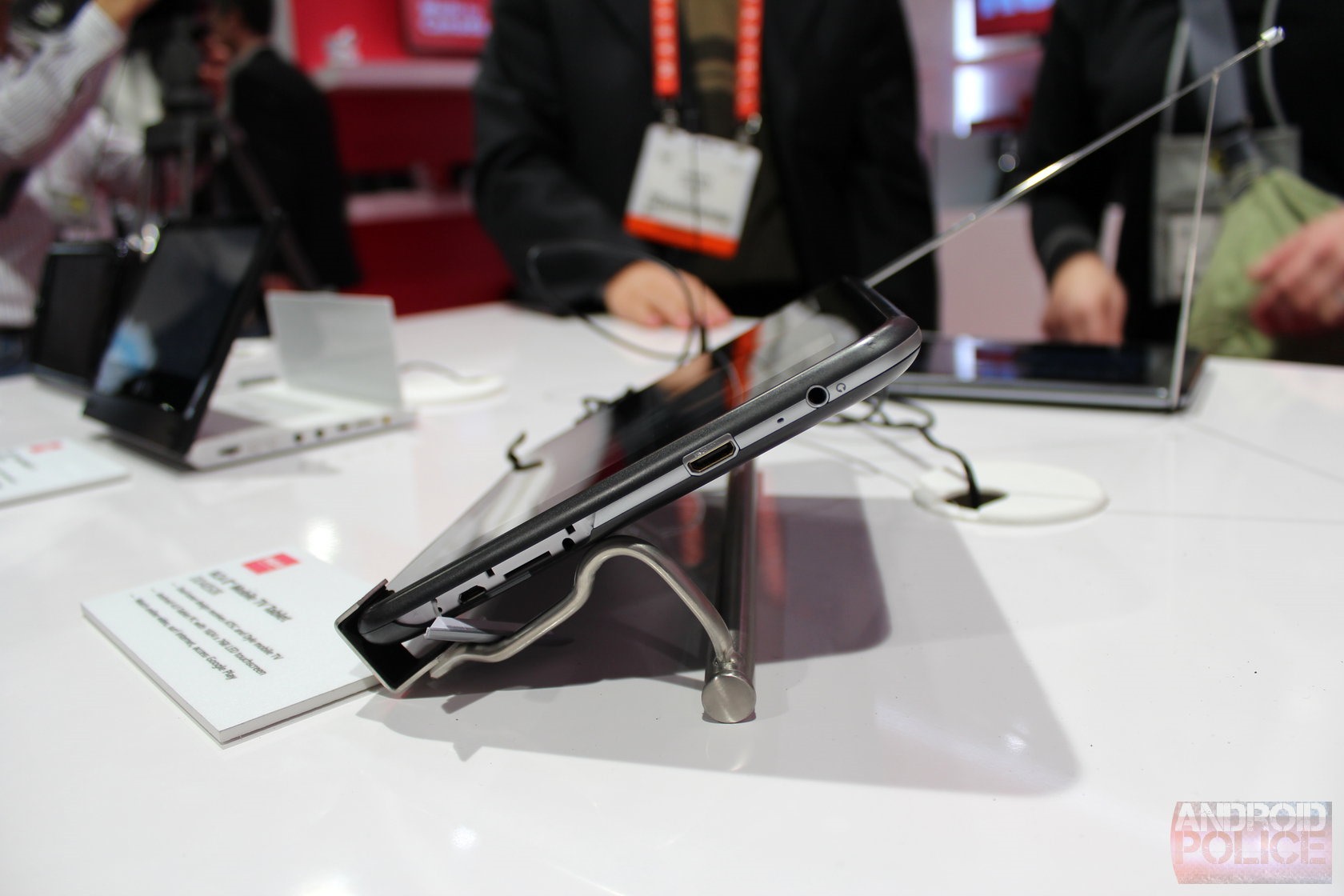
RCA isn't exactly a company people in the US really, you know, respect these days. In fact, RCA doesn't even make most of its TVs anymore. So when I heard the company was planning to market an Android tablet with a TV antenna and sell it in the US, my curiosity was mostly related to just how bad it was going to be. The answer? Pretty bad. It could be worse, sure, but man, I honestly feel bad for the guys at the RCA booth who had to vouch for this thing.
wm_IMG_1572

It has one, simple job: deliver live TV over the air. And it does this by means of a fairly ugly app that looks like it was designed for a phone. And that app just kind of stops working should you decide to do multitasking of any kind, and you have to restart it to get the connection back. The app then takes a solid 30 seconds to acquire a Dyle TV signal, and the picture quality is just terrible. It doesn't catch HDTV signal over the air, and the build quality of the whole thing is kind of depressing. The viewing angles on the display are among the worst I've ever seen on any tablet this side of China. And it costs $300 for this... privilege.

The Meh

Sony's Xperia Z / ZL

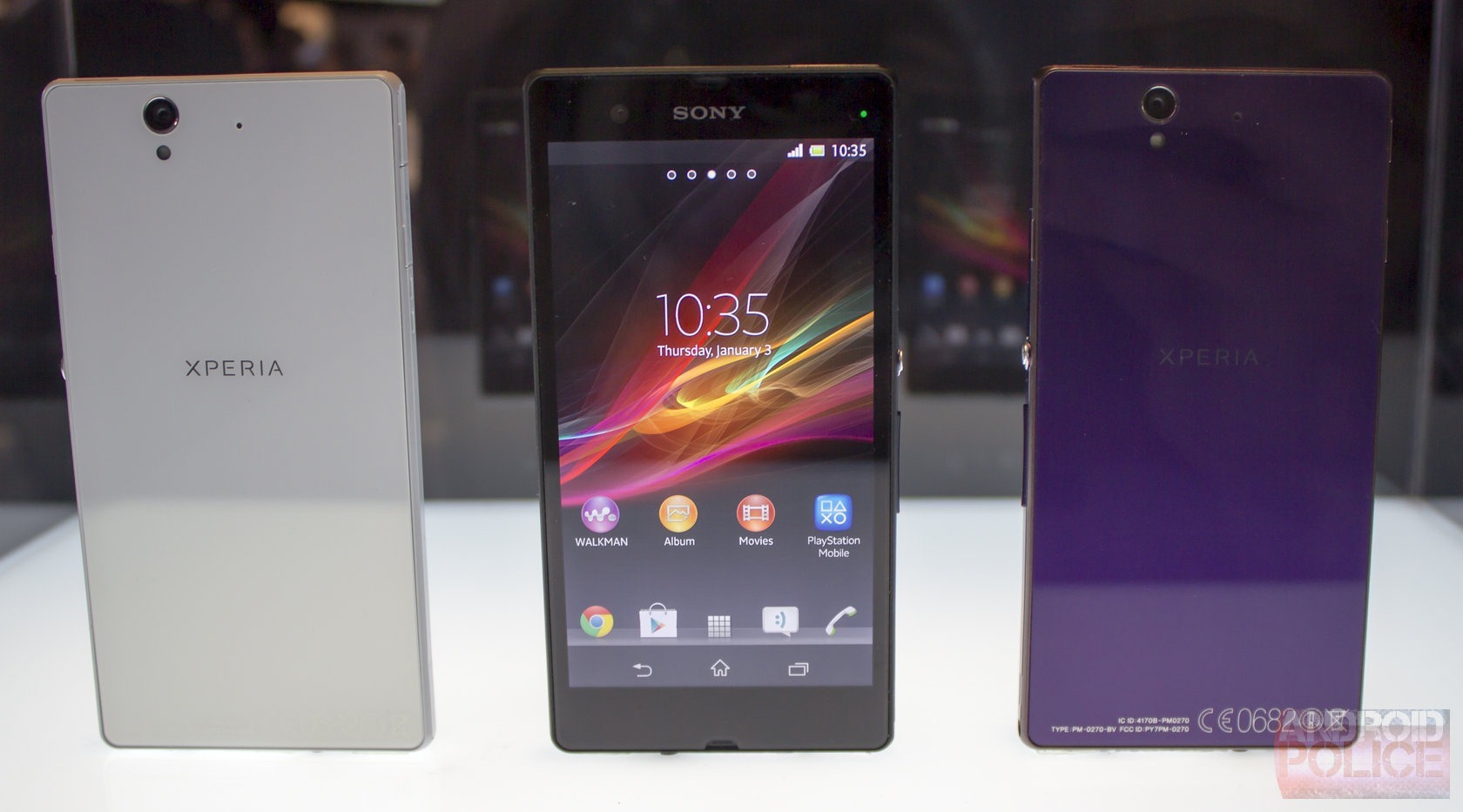
I love how Sony's phones look. I don't love how they perform, or how they look once the screen is on. Sony showed off two powerful new handsets at CES, the Xperia Z and ZL, with new 13MP cameras, and one of them (the Z) is even waterproof. And I can't bring myself to care. As much as I harp on Samsung for being so obsessed with gimmicks, I think what Sony does is worse: they play it too safe. Too conservative. There is no feeling of tech-lust when I pick up a Sony phone - it's just another pretty slab that runs Android. Maybe the Z and ZL will resonate with the average consumer more - who knows.
nexusae0_wm_IMG_14861

For me, they're just not exciting. And in regard to the Z, having to pry open a port cover every time I want to charge up or plug in my headphones just sounds annoying. I'll take my chances in the wet, dusty world, Sony. The Z and ZL are far from being bad (I'm sure they're very good, actually), but in a fickle market dominated by Apple and Samsung, this just doesn't seem like the breakout hardware Sony needed to get into the smartphone game in a big way. What did they need? To be different. And they just aren't.

Wrap-Up

While I will go on record as saying that this CES was probably one of the most boring ever, it certainly wasn't a total waste. NVIDIA's Shield showed us something genuinely new and cool, and things like YotaPhone provided much-needed respite from the 4K-washing-machine-with-a-touchscreen fever that seemed to envelop the place. We got to see cool stuff, bad stuff, and genuinely weird stuff.
Will we be back next year? Probably. We might do things a little differently, though, given the growing scarcity of truly interesting product announcements that happen at CES. But more and more companies are leaving CES for dedicated trade shows (like MWC and IFA), or for their own product unveilings. Think about this: Microsoft, Apple, Google, Facebook, and Amazon - none were at CES this year. Can you think of any companies more important in the tech space?
CES has largely become a place where vendors interact with other vendors, manufacturers interact with manufacturers, and competitors scour the show floor for acquisition opportunities and generally eyeball the competition. And iPhone cases. iPhone cases as far as the eye can see. For a show that purports to be focused on consumer electronics, an area that is increasingly synonymous with "mobile technology," CES is straying from relevance.
Consumers don't care so much about what's new in TV's, or washing machine, or refrigerators anymore - we live in an age where these products generally do what we want them to. They have reached a point where the innovations are no longer revolutionary, but evolutionary (or gimmicky). Even personal computing is starting to settle into a comfortable cycle of faster, thinner, and lighter. Say what you will, but no normal consumer gets excited about how many nanometers Intel is fitting a semiconductor on this year.
People do get excited about what something in their pocket can do. How it can change the way they live their lives every day - how a new form factor can alter the way we experience the digital world. I heard often enough that "mobile isn't everything" during CES, but the truly geeky, nerdy part of me feels deep down that mobile is everything, because it's the leaping off point for whatever's next, five, ten, or twenty years from now.

Source: AndroidPolice.com

CES 2013 - ARCHOS Introduces Titanium Line, The 70, 80, 101 And 97 Titanium HD Tablets


reznaf | 8:45 PM | , , , ,

ARCHOS is not messing around! After releasing the first in its iPad Titanium line of tablets, the 97 Titanium HD, sans price, the company is back for more with three new slates in the family: the 70 (a 7" tablet), the 80 (an 8" tablet), and the 101 (can you guess? can you? I bet you can. Yes, it's a 10.1" tablet!). The company isn't even being shy about its intent. The 70 specifically targets "competitors such as Amazon", the 80 goes after "the iPad mini, for a fraction of the price", and the 9.7 "aims to be an alternative to the new iPad." Well, yeah. David kinda picked up on that.
archostitanium family
More important than any smack talk, though, this marks a bit of a return to what ARCHOS does best: making not-terrible tablets that are cheaper than their mainstream alternatives. Here are the price listings for each model:
  • ARCHOS 70 Titanium: 119€, $119, £99
  • ARCHOS 80 Titanum: 169€, $169, £149
  • ARCHOS 101 Titanium: 199€, $199, £169
  • ARCHOS 97 Titanium HD: 249€, $249 and £199
Now that's more like it. Both the 70 and the 80 sit comfortably below even the Nexus 7's price point at $119 and $169 respectively. In fact, the only tablet on the list that does exceed the N7's already super-inexpensive pricing is the 97 which has a 2048x1536 display, which is roughly in line with the full-size iPad's retina display (though still not quite as high density as the Nexus 10).
Specs, on the other hand, are a little sparse. Here's what we do know all the tablets will share:
  • High Definition IPS display capacitive multi-touch screen
  • Dual core CPU at 1.6 GHz with Quad core GPU, with 1080p video decoding
  • Sleek aluminum design
  • Android 4.1 ‘Jelly Bean’ with the 700,000 applications on Google Play and the Archos Media Center applications
The exact resolution of those "high definition" displays that these tablets will have is something users will certainly want to know, but when you get down to ARCHOS pricing levels, some sacrifices start to become more acceptable. Currently, there are not many options for people wanting to get an Android tablet for $120 but soon there will be and if anyone is going to make that offering not be atrocious, it's ARCHOS.
Still no word on when these will come out, or a more full list of specs.

Source: androidpolice.com

CES 2013 - Samsung Announces The Exynos 5 Octa, A Screaming 28nm 8-Core Processor


reznaf | 12:09 AM | , , , , ,

Oh man, if you thought quad-core phones were crazy, your brain should prepare itself for at least twice as much explosion. Samsung just announced at CES its new Exynos 5 Octa processors. These chips, on a 28nm architecture (which means they're small and use less power) have eight dang cores. The company says that this will result in up to 70% battery savings (compared to what is unclear...we would assume the previous Exynos processor).

octa1 octa2 octa3
Pics courtesy of CNET
Of course, the first thought is, "Do we really need that many cores?!" Well, for starters, yes. We'll always want more power. But, let's talk practicality! These new SoCs are designed to optimize for multitasking and hardcore video rendering (including 3D), not necessarily pure speed. Which makes perfect sense. Your desktop has been multitasking forever, but our mobile processors (and OSes, really) aren't as great at it. Yet. We're still scratching the surface.
One thing that will aid this is the big.LITTLE architecture. You see, those 8 cores inside the Exynos 5 Octa are not all equal. Four of them are Cortex A7 cores, and four are Cortex A15 cores. The A15s use more power but can turn out serious speed, whereas the A7s are slower, but use less juice. Think of it this way: this SoC will have two different engines in it. One came straight out of a Ferrari for when you feel like flying down the freeway, flipping off cops, and one is from that Prius you make fun of that gets better gas mileage than your car. Your phone or tablet would be able to switch between the two as needed, resulting in high performance without sacrificing battery.
It's win-freaking-win.
Of course, to be a little cynical, you won't necessarily have access to eight cores at once. The two sets of four cores are subdivided into pairs of one low-power core and one high-power core. Only one of those two can be active at once, so you could never use more than four cores at the same time. However, that's still an insanely impressive performance boost while maintaining huge battery savings.
No word yet on when we'll see these beasts in devices, but chances are good Samsung will be eager to put them in as many upcoming high-end handsets and tablets as possible.


CES 2013 - Samsung Shows Off Its Flexible OLED Display


reznaf | 11:54 PM | , , , ,

We've heard quite a bit about Samsung's prototype flexible OLED display over the past couple years, and it looks like the company is starting to mature the tech, as it showed off the most practical phone design we've seen yet.
Just to get this out of the way up front – this phone is not flexible. It's just using the flexible display inside of a rigid case, so it's no different than current phones in that respect. When it comes to specs, Samsung wouldn't give up details, only telling The Verge that it's "about 5-inches across" with a resolution of "about" 720p. Awesome.
1

As far as practical application, though, it's clear that not even Samsung is sure what to do with this phone's "display lip." For now, it can output stocks, emails, and similar notifications. I have to admit, though – I don't personally see the point. Why do I need notifications scrolling across the side of my phone again? Sounds like a more modern version of the Continuum to me.

1[4] 2
Of course, the idea is neat, and there's no denying that. It'll be interesting to see where Samsung ultimately goes with this – but that probably won't happen any time soon.

Source: androidpolice.com

CES 2013 - An Oven That Runs Android


reznaf | 6:44 PM | , ,

I could probably count on one hand the amount of things at CES that are 1, new, and 2, run Android, so we are left with stuff like this.

wm_20130108_192447

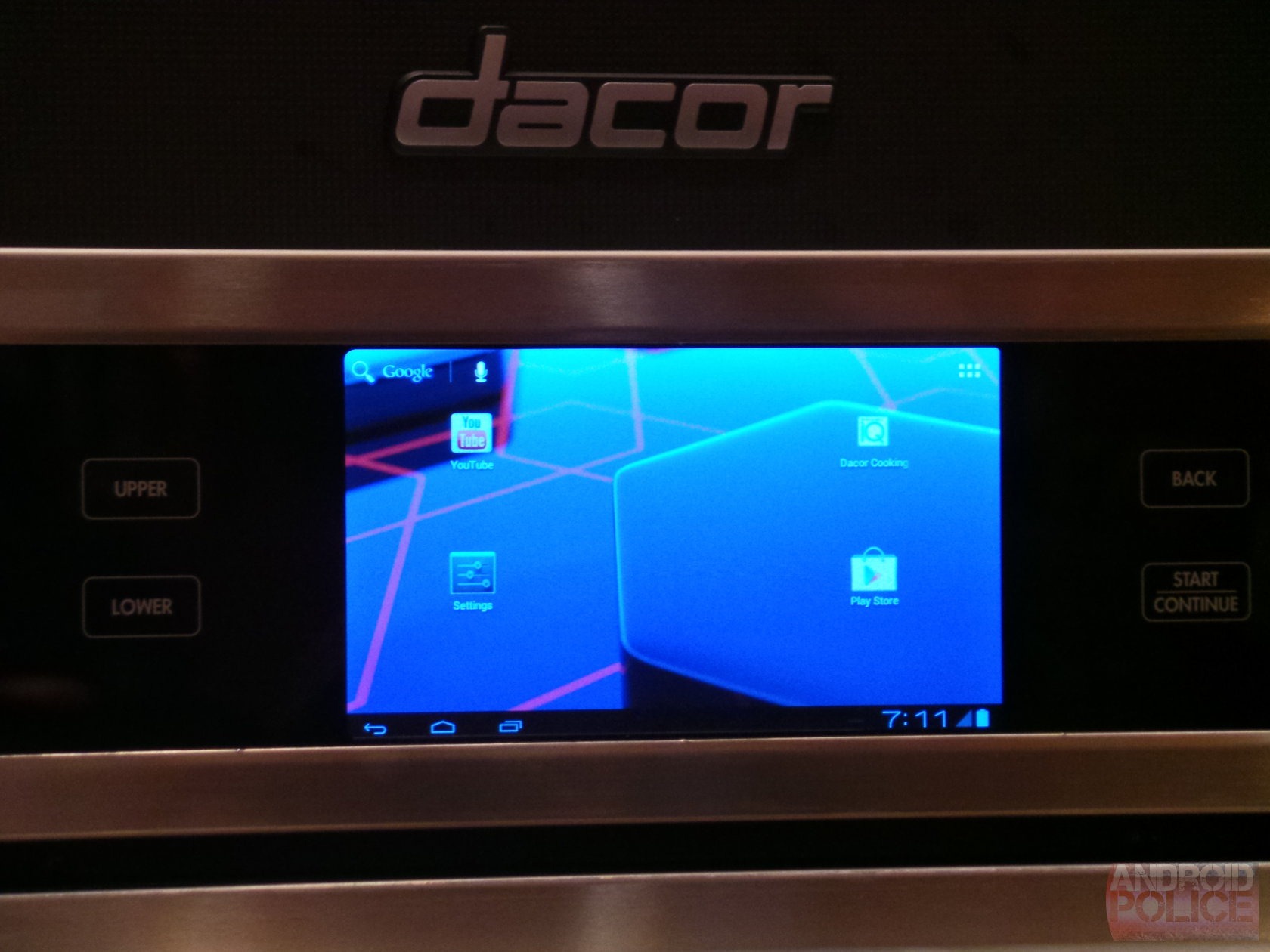
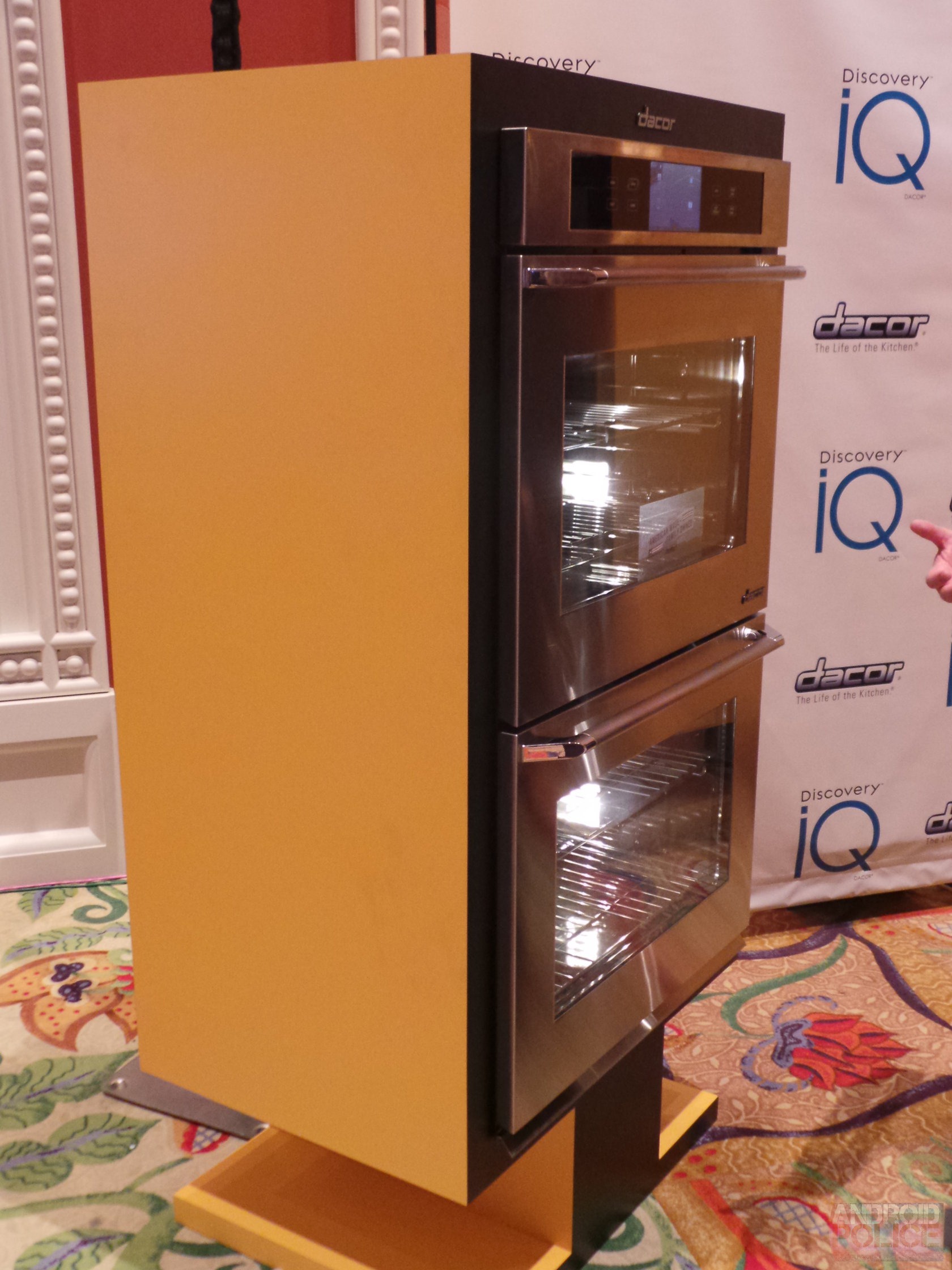
This is an oven, an oven with an embedded 7-inch touch screen that runs Android. It's called the Dacor Discovery IQ Wall Oven. Here are some specs.
  • Samsung S5PV210 1GHz CPU
  • PowerVR SGX 540 GPU
  • 512 MB DDR2 RAM
  • 16 GB Storge
  • "Hard Drive Expansion: 32GB Max"
  • WiFi
The oven runs Android 4.0.3 (I can't believe I'm typing this) in tablet mode. Dacor has an app that will let you do oven things like adjust the temperature, set a timer, and show the time. You can even remotely do oven things from another Android device.

wm_20130108_192631wm_20130108_192359wm_20130108_192418

Everything works, although using the navigation buttons is a little strange because the tablet isn't flush with the front of the oven. There's a lip that makes hitting anything on the edge of the screen a bit of a challenge. It runs like a budget Android tablet, you will see some stuttering while swiping from screen to screen. On the plus side, it comes pre-loaded with the Play Store, so you can easily play Angry Birds while cooking one.
We made the mistake of asking the nearby oven salesman for a demo of the oven, and he ended up talking about BTUs and things like that. So here's a very-much oven-centric overview of this oven. You've been warned.

Source: androidpolice.com

CES 2013 - Hands-On With The Ginormous Huawei Ascend Mate


reznaf | 6:40 PM | , , ,

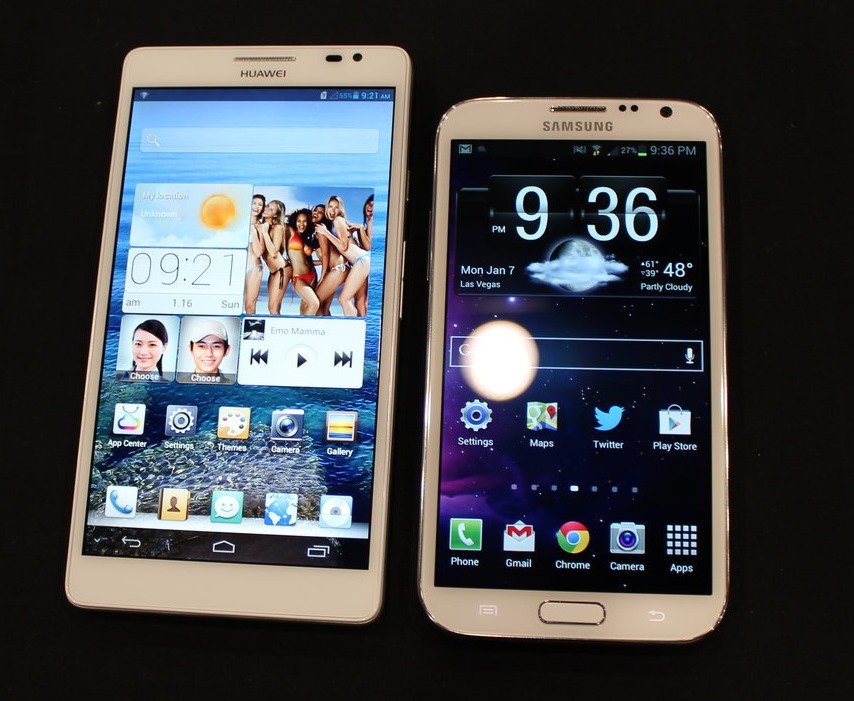
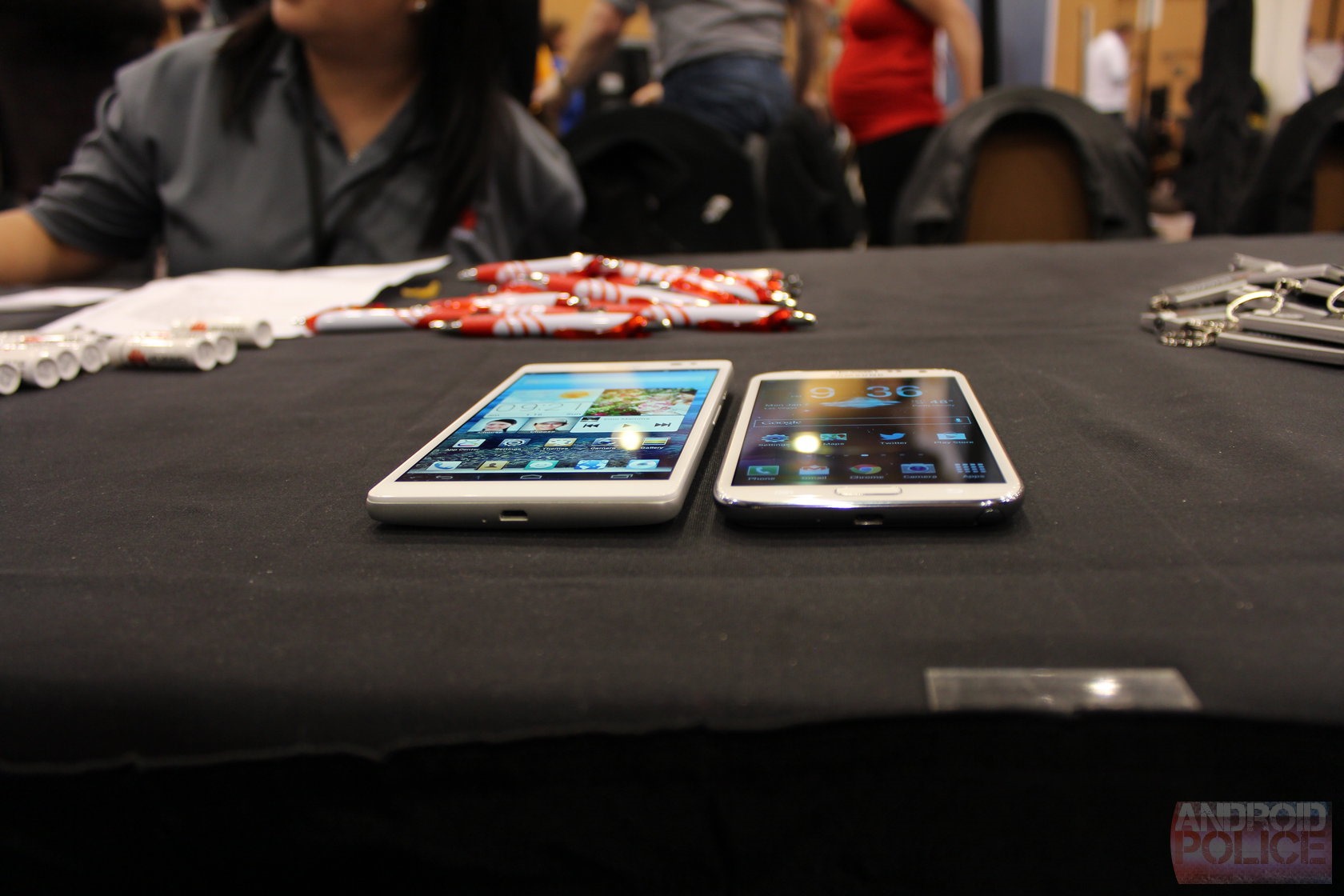
Do you think phones should be even bigger? Good news: so does Huawei. You've probably already heard about the Mate, but we got a little hands-on time before the show floor opened last night at CES Digital Experience, and, well, it's big. Really big. And yes, we put it next to a Note II to show you just how mind-bogglingly large it is.

wm_IMG_1549

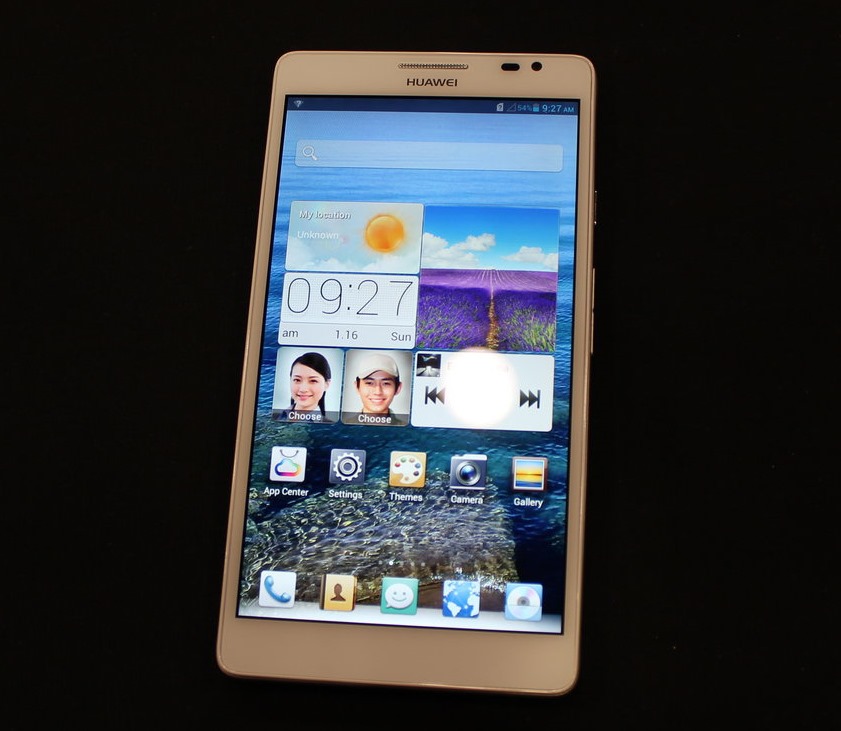
As far as initial impressions, the device runs Android 4.1 with Huawei's light UI overlay quite smoothly. This is the second phone to date to use Huawei's in-house quad-core KVM processor, which is paired (interestingly) with an Intel modem (GSM 3G only). The Mate's 6.1" IPS display is 720p, so pixel density is definitely a little on the thin side for something quite so large. That said, the display's colors and viewing angles were very good, and the whole phone felt pretty well-put-together.

wm_IMG_1553

The real kicker is that this 6.1" beast manages to fit a 4050mAh (!) battery behind the panel, and early estimates from Huawei say this should be good for 48 hours of "normal" smartphone usage. Impressive.
Is this the phablet to hold out for? In all honesty, I'm not sure we'll ever see the Mate here in the US. At least not on any carriers (though with enough interest, that could change). Around the rest of the world, though - particularly China and Southeast Asia - Huawei may be able to pitch the size factor along with a value proposition to would-be Note II buyers.
We know the Mate is headed to China in February, with a wider release to follow at some point.

Source: androidpolice.com

CES 2013 - LEGO Announces New Android-Compatible Mindstorms EV3 Kit For Programmable Robot-Building Nerdgasms


reznaf | 8:35 PM | , , , ,

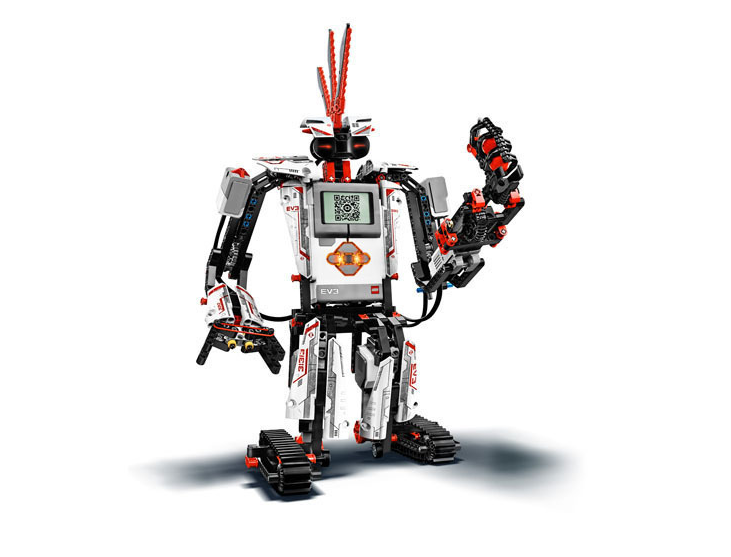
There aren't many things in this world that can be as purely amazing as LEGO. The only people who aren't fans of the world's best creativity toy are people who (mistakenly!) think the company has sold out and encourages kids to follow pre-made instructions instead of building something new. To that I say: Mindstorms EV3. With Android compatibility out of the box. Your argument is invalid.
2013-01-07_11h37_50
The main part of the new kit, the Intelligent Brick (seen above as a glowing torso with a QR code on its chest) will have more processing power, more memory, and more on-brick programming capabilities. It will also have a new infrared sensor, Linux-based firmware, a USB port and SD card slot. This thing comes fully loaded. If that wasn't enough, though, this kit will include "full... Android compatibility out of the box."
Previously, you could use Android to control some Mindstorms kits, but the popular MINDdroid app was merely a fan-made piece of software. This new set will require no special tweaks or hacks in order to get it working. However, every other kind of tweaking and hacking are highly encouraged.
This new set will go on sale in the second half of 2013 and will retail for $349 USD, €349 EUR or $399 CAD. There will also be a special version specifically designed to cater to educators, so teachers? Start lobbying whoever it is that you need to convince in order to get these in your classroom. For the children.

CES 2013 - Madfinger's Dead Trigger 2 For The Tegra 4


reznaf | 6:00 PM | , , , , , ,

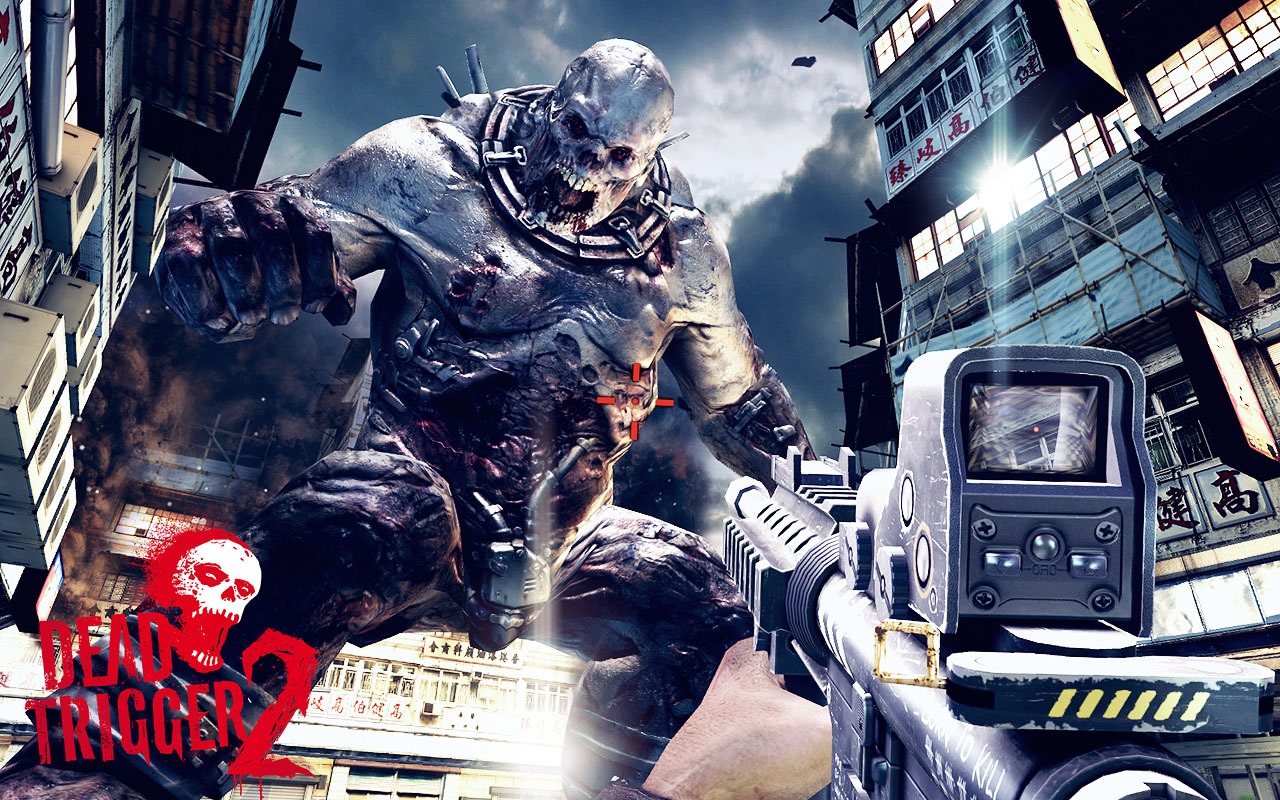
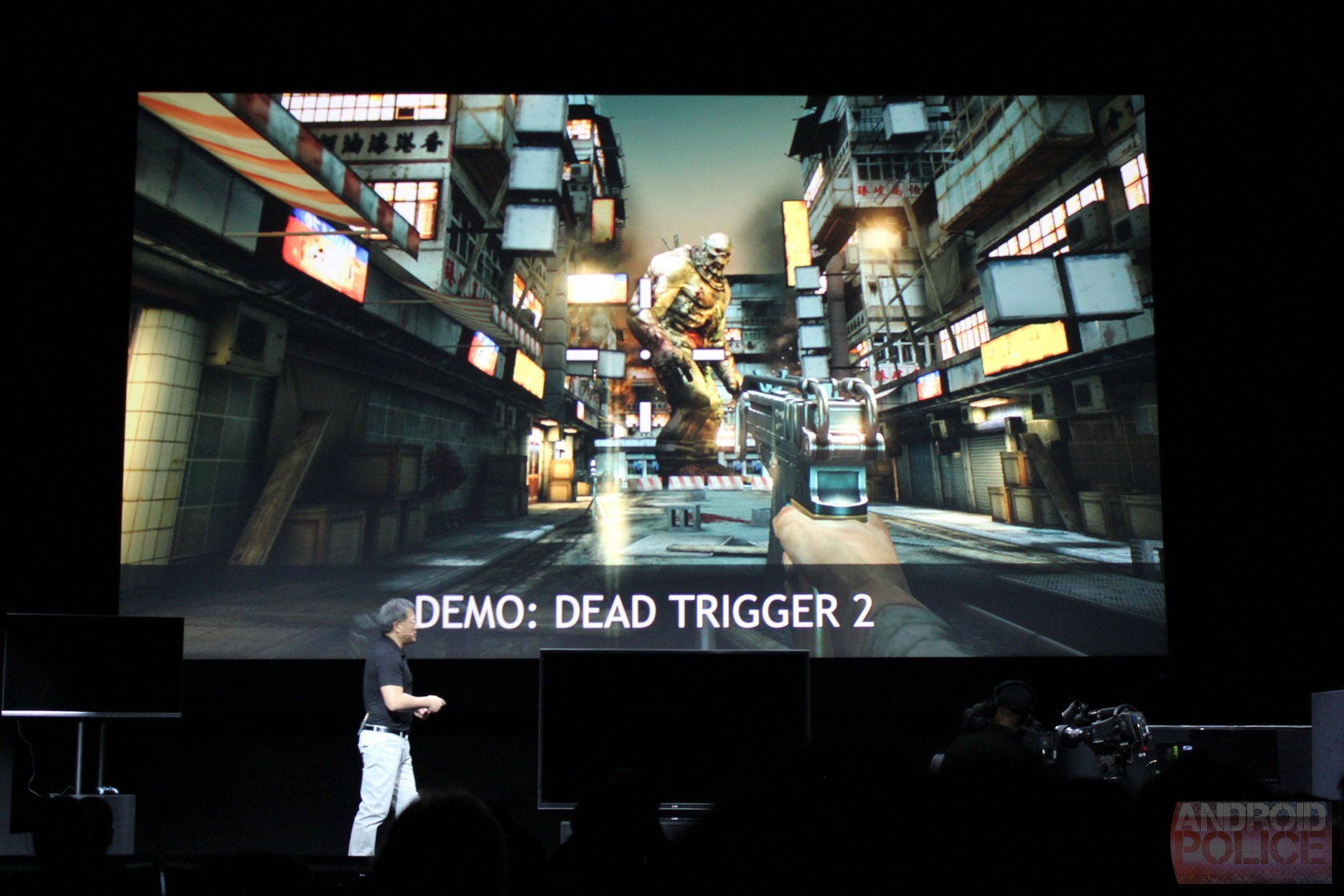
NVIDIA slipped a surprise into their CES press conference this evening: a short and sweet look at Dead Trigger 2. As the only technical demo for the screaming Tegra 4 platform, it looked mighty impressive - based on the streaming video, the graphics look just a little behind the Xbox 360/Playstation 3 level. The short demo video showed live game video of the player wielding an M4 machine gun to dispatch an enormous building-sized zombie.

wm_IMG_0105wm_IMG_0106

Unfortunately, Madfinger wasn't on hand to elaborate, so anything beyond the brief look here is speculation. Based on the success of the original zombie shooter, they'll probably be using the same free-to-play model as before. Expect to hear more about Dead Trigger 2 at E3 at the very latest.
 
deadtrigger2_1
Update: Dead Trigger 2 will be released in the second quarter for Android and iOS. The full press release is below.
 deadtrigger2_2

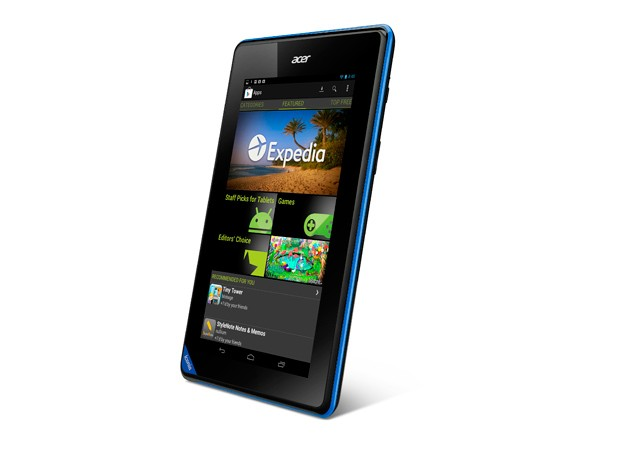
CES 2013 - Acer Officially Announces The Budget Iconia Tab B1-A71 7" Tablet


reznaf | 5:13 PM | , , ,

If Acer's recent entry into the "budget" tablet market – the Iconia Tab A110 – still wasn't light enough on the wallet for you, then maybe the company's latest offering will be. Announced just today, the Iconia Tab B1-A71 is a 7" slate with pretty meager specs, and a price tag to match:
  • 7" 1024x600 display
  • 1.2GHz dual-core Mediatek MTK 8317T processor
  • 512MB RAM
  • 8GB built-in storage with microSD card slot
  • VGA front-facing camera
  • Android 4.1
1
While Acer hasn't announced when the B1-A71 will be available, it has said the tablet will be released with a price "under $150." Woo.
To go along with its new offering to the budget tablet world, Acer is also expanding its AcerCloud service to all Android and iOS mobile devices. Starting later this month, owners of Acer PCs will be able to dedicate a small portion of their hard drive for file sharing via AcerCloud, which includes documents, pictures, and music. The service will be bundled with all new Acer PCs starting in Q2 of 2013.

Source: androidpolice.com

CES 2013 - NVIDIA's Full Tegra 4/Project SHIELD


reznaf | 9:00 AM | , , , ,

Did you miss NVIDIA's Tegra 4 unveiling last night? No worries, friends – you can now watch the whole event in its entirety right here. That's all sorts of babble about video cards, video games, the Tegra 4, Dead Trigger 2, and, of course, Project SHIELD in all of its handheld glory.

But, you probably already know all about that stuff – you did read all of our coverage last night, didn't you? I thought so. Check the video below.


CES 2013 - Polaroid Camera with Android JB


reznaf | 8:00 AM | , , ,

Not to be outdone by Nikon and Samsung, Polaroid has taken the wraps off of its new Android-powered camera, the iM1836. Past its super-clever and easy-to-remember (not really) name, this offering weds an 18.1MP mirrorless body, 3.5" display, and built-in Wi-Fi and Bluetooth with Android 4.1 for an out-of-the-box hoot of a good time.
1
While there's no tentative release date for the iM1836 right now, the camera is already tagged with a price of $399, which includes a 10-30mm lens. That's a pretty reasonable price for a mirrorless compact, especially considering its versatility over the competing offerings from Samsung and Nikon. We'll keep you posted as more info on this intriguing new shooter becomes available.

CES 2013 - Huawei Unveils Its New Flagship Ascend D2


reznaf | 12:30 AM | , , , ,

For better or worse, five inches seems to be the new target for flagship Android devices. Huawei is bringing it's a game to CES (unlike most manufacturers, which are holding back for Mobile World Congress) with the Ascend D2, a new Jelly Bean 4.1 device sporting a 5-inch 1080p LCD panel and the in-house K3V2 1.5 GHz quad-core CPU. Other highlights include a 13MP camera (narrowly beating out Alcatel's One Touch Idol Ultra) and respectable 9.9mm waist. Stylistically, it looks a lot like a beefed-up Galaxy S II, minus the physical navigation buttons.
HUAWEI DEVICE ASCEND D2
Perhaps most importantly for power users, the Ascend D2 comes packed with a massive 3,000mAh battery, sliding in just below the Galaxy Note II in total capacity. Huawei claims that its ADRX (Automated Discontinuous Reception) battery technology will allow the D2 to charge in 30% less time and last six days on standby. Other notable specs include Gorilla Glass, an aluminum back cover, and white and blue color options. Android 4.1 looks like it's mostly undamaged, though Huawei couldn't resist putting a few custom icons in there.
Expect the Ascend D2 to launch in China later this month, with a Japanese rollout (and hopefully a worldwide launch) following. A smaller model, currently unseen and unnamed, will be available with a 4.7" screen option. Pricing information is not available at present.

Source: androidpolice.com

Related Posts Plugin for WordPress, Blogger...